

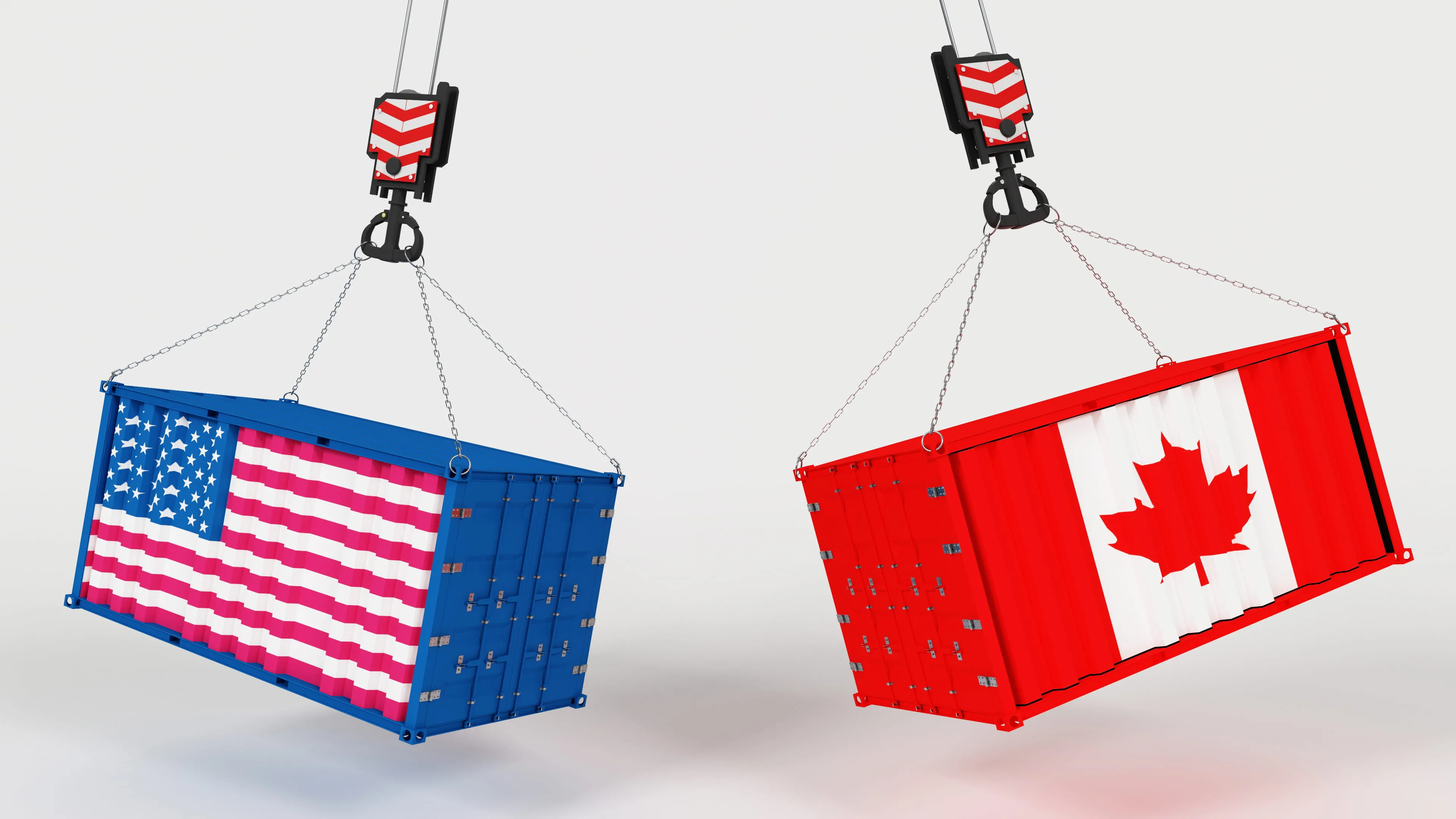
Importing means buying goods or services from another country to use or sell domestically, while exporting means selling domestically produced goods or services to buyers in other countries. Imports fill gaps in a country’s local supply, while exports generate revenue from foreign markets. Together, they form the backbone of international trade and directly affect a […]

Exporting is one of the fastest, lowest-risk ways for a business to enter a foreign market because it avoids the cost of establishing a legal entity abroad. However, exporters often face tariffs, transportation costs, and distributor fees, and typically have less control over how their products are marketed and sold overseas. Expanding into a foreign […]

Exporting products internationally requires researching target markets, understanding duty rates and tariffs, confirming export license requirements, and deciding whether your product needs modification for foreign markets. Businesses that skip this groundwork often face costly delays, fines, or rejected shipments. Careful planning upfront saves time and money down the line. Selling your product beyond your home […]

Importing means bringing goods or services into a country from abroad, while exporting means sending domestically produced goods or services to another country. Together, these two activities form the backbone of international trade, letting businesses access new markets, source cheaper materials, and offer products that wouldn’t otherwise be available at home. International trade shapes nearly […]

International trade drives business growth by expanding market access, lowering production costs through global supply chains, and enabling specialization. Digital technology and e-commerce have accelerated this process, letting even small businesses sell products worldwide. Companies that embrace global trade gain access to new customers, diverse talent, and competitive pricing advantages unavailable in domestic markets alone. […]