


Export documentation errors Export Documentation Errors by mastering classification systems, ensuring compliance, reducing shipping delays, and streamlining. Export documentation errors Export documentation errors most often stem from confusing classification systems like HS codes, Schedule B numbers, and ECCN. Each serves a different regulatory purpose, so using the wrong one on a shipment can trigger customs […]

Import Compliance Requirements Import Compliance Requirements including essential documentation, customs regulations, trade policies, and strategies to streamline. Import Compliance Requirements Importers must manage tariff classification, country-of-origin documentation, customs valuation, licensing, and recordkeeping to stay compliant with customs regulations. Treating these requirements as structured processes rather than last-minute paperwork reduces shipping delays, prevents costly rework, and […]

A packing list for international shipments is a detailed document listing every item in a shipment, including quantities, weights, dimensions, and HS codes. Customs officials use it to verify contents, calculate duties, and clear goods quickly. Missing or inaccurate details are one of the most common reasons shipments get held at the border, so accuracy […]

Commercial Invoice for International Shipping Commercial Invoice for International Shipping, including customs clearance, accurate shipment details, import duties, and avoiding costly. Commercial Invoice for International Shipping A commercial invoice tells customs officers and brokers exactly what’s being shipped, its value, and why it’s crossing a border. Vague descriptions like “samples” or “no commercial value” trigger […]

The most common customs documentation mistakes include incorrect Harmonized System (HS) codes, incomplete commercial invoices, mismatched product descriptions, undervaluing shipments, and missing certificates of origin. Businesses can avoid these errors by verifying HS codes before shipping, standardizing documentation templates, and conducting regular audits of their customs paperwork. International trade runs on paperwork. Every shipment that […]

Accurate import documentation requires gathering a commercial invoice, packing list, bill of lading, certificate of origin, and any required permits before your shipment leaves the port of origin. Cross-check product descriptions, HS codes, values, and quantities across every document so customs authorities can clear your goods without delays, fines, or seizures. If you were about […]
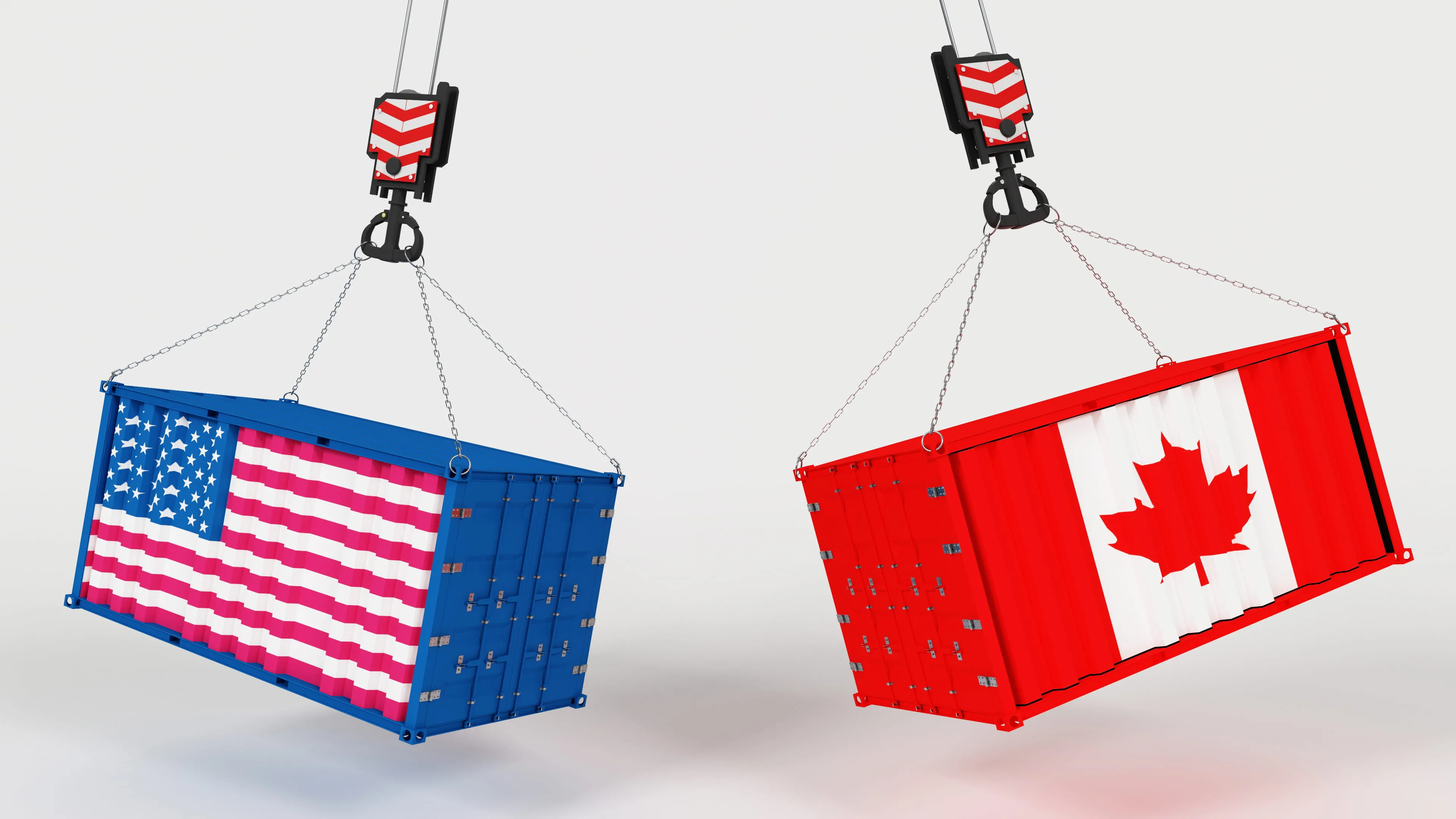
Importing means buying goods or services from another country to use or sell domestically, while exporting means selling domestically produced goods or services to buyers in other countries. Imports fill gaps in a country’s local supply, while exports generate revenue from foreign markets. Together, they form the backbone of international trade and directly affect a […]

International trade documentation refers to the paperwork required to legally move goods across borders, including commercial invoices, packing lists, bills of lading, certificates of origin, and customs declarations. Getting these documents right prevents shipment delays, customs penalties, and payment disputes — making documentation accuracy one of the most important skills for anyone new to export-import […]
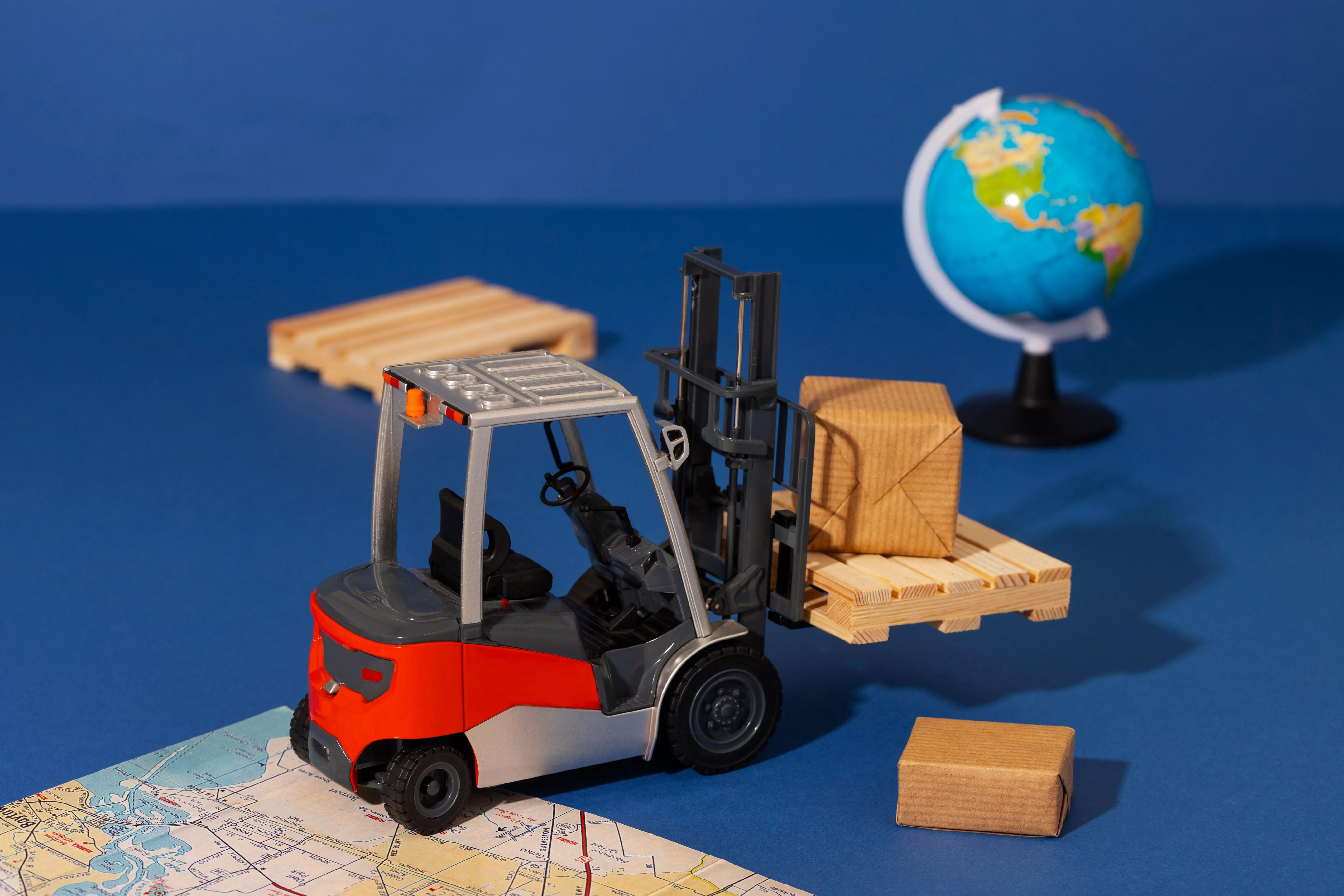
Exporting products internationally requires researching target markets, understanding duty rates and tariffs, confirming export license requirements, and deciding whether your product needs modification for foreign markets. Businesses that skip this groundwork often face costly delays, fines, or rejected shipments. Careful planning upfront saves time and money down the line. Selling your product beyond your home […]

Importing means bringing goods or services into a country from abroad, while exporting means sending domestically produced goods or services to another country. Together, these two activities form the backbone of international trade, letting businesses access new markets, source cheaper materials, and offer products that wouldn’t otherwise be available at home. International trade shapes nearly […]
- 1
- 2