


Export documentation errors Export Documentation Errors by mastering classification systems, ensuring compliance, reducing shipping delays, and streamlining. Export documentation errors Export documentation errors most often stem from confusing classification systems like HS codes, Schedule B numbers, and ECCN. Each serves a different regulatory purpose, so using the wrong one on a shipment can trigger customs […]

A Bill of Lading (B/L) is a legal document issued by a carrier to a shipper that confirms receipt of cargo, serves as evidence of the contract of carriage, and can act as a document of title. Importers, exporters, and freight forwarders rely on it to release goods, secure payment, and resolve disputes during international […]

A commercial invoice tells customs officers and brokers exactly what’s being shipped, its value, and why it’s crossing a border. Vague descriptions like “samples” or “no commercial value” trigger delays, inspections, and penalties. Accurate, detailed commercial invoices speed up customs clearance and protect businesses from costly compliance issues. Every international shipment carries a story customs […]

Accurate import documentation requires gathering a commercial invoice, packing list, bill of lading, certificate of origin, and any required permits before your shipment leaves the port of origin. Cross-check product descriptions, HS codes, values, and quantities across every document so customs authorities can clear your goods without delays, fines, or seizures. If you were about […]
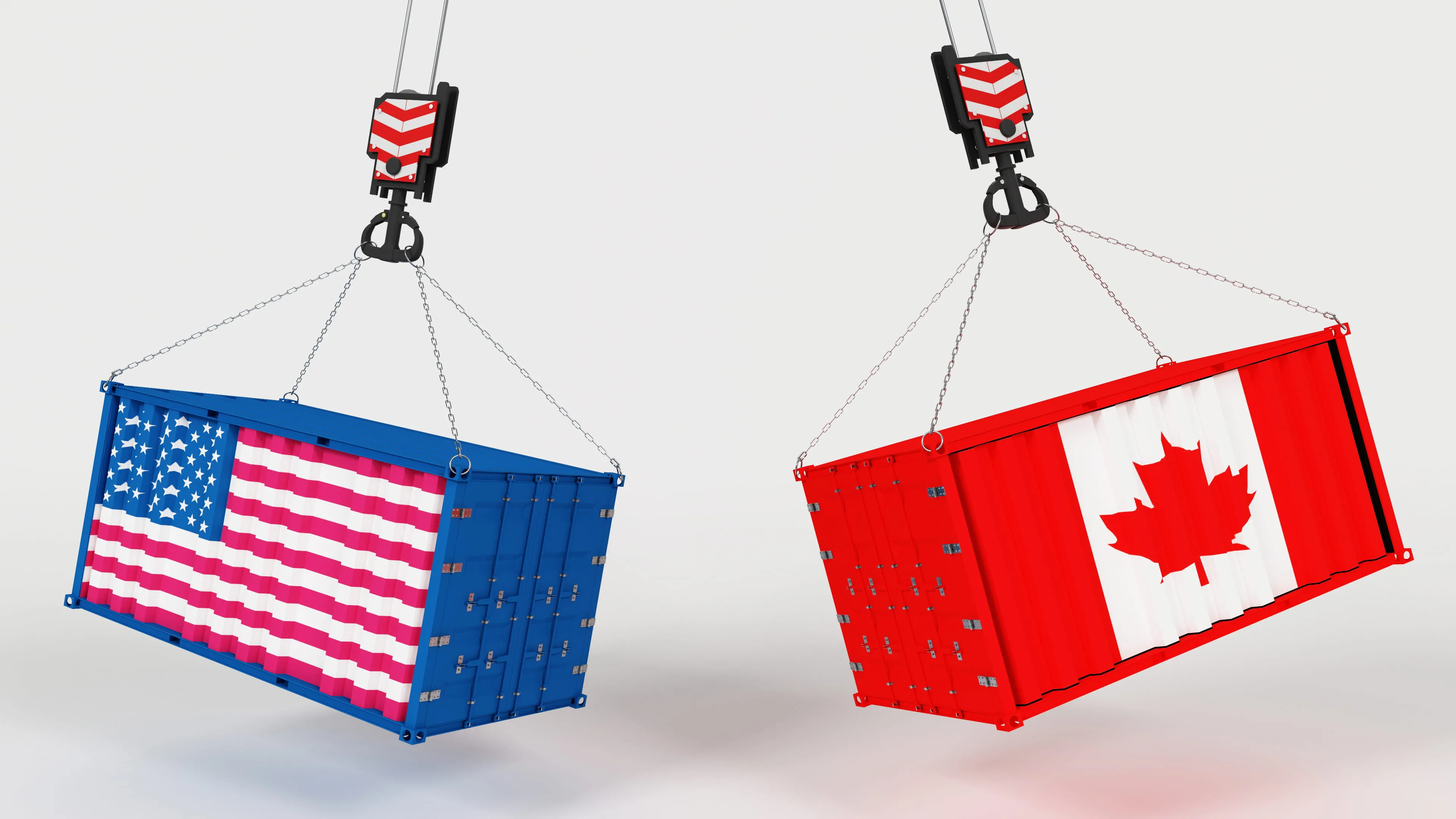
Importing means buying goods or services from another country to use or sell domestically, while exporting means selling domestically produced goods or services to buyers in other countries. Imports fill gaps in a country’s local supply, while exports generate revenue from foreign markets. Together, they form the backbone of international trade and directly affect a […]

Exporting is one of the fastest, lowest-risk ways for a business to enter a foreign market because it avoids the cost of establishing a legal entity abroad. However, exporters often face tariffs, transportation costs, and distributor fees, and typically have less control over how their products are marketed and sold overseas. Expanding into a foreign […]
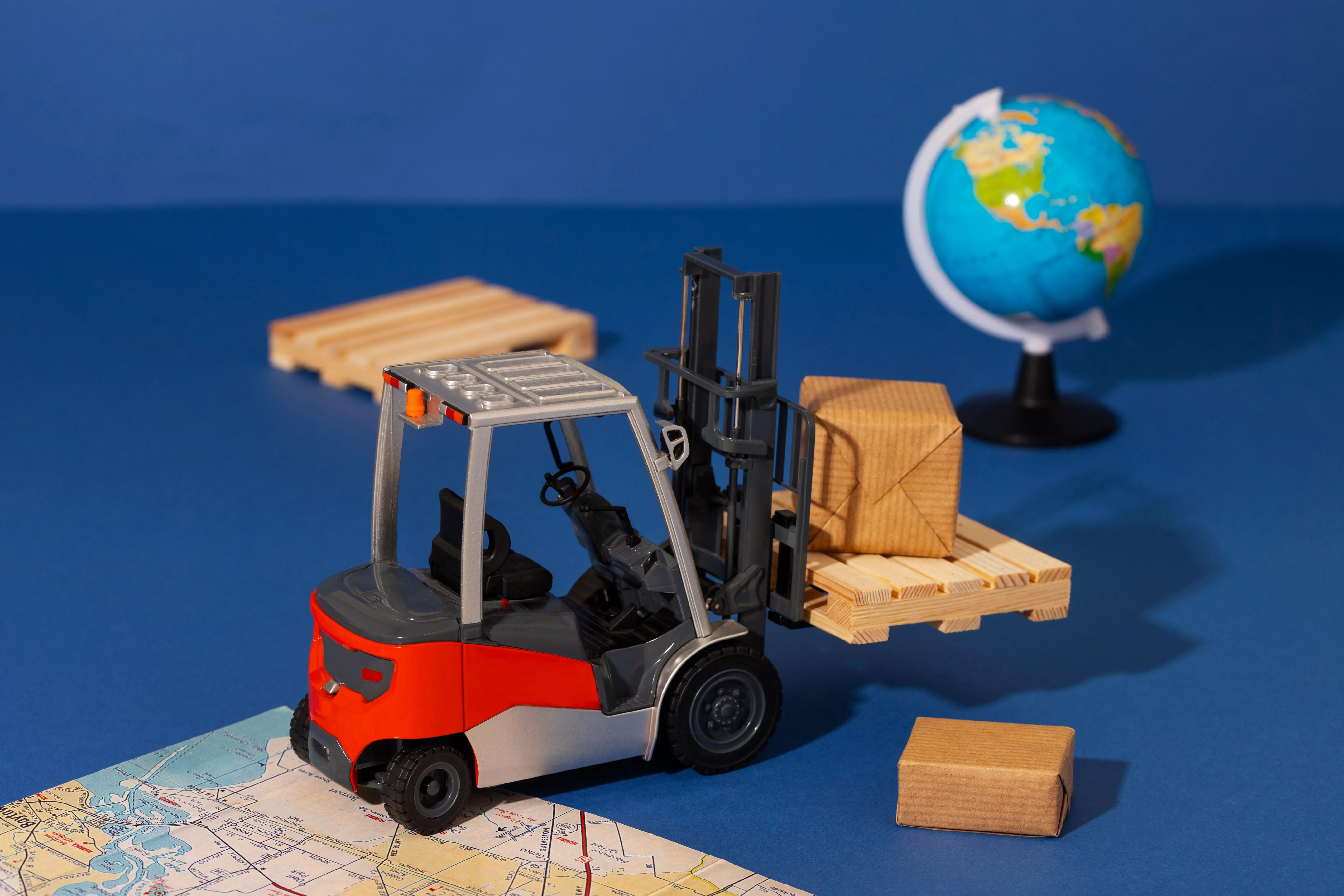
Exporting products internationally requires researching target markets, understanding duty rates and tariffs, confirming export license requirements, and deciding whether your product needs modification for foreign markets. Businesses that skip this groundwork often face costly delays, fines, or rejected shipments. Careful planning upfront saves time and money down the line. Selling your product beyond your home […]

Importing means bringing goods or services into a country from abroad, while exporting means sending domestically produced goods or services to another country. Together, these two activities form the backbone of international trade, letting businesses access new markets, source cheaper materials, and offer products that wouldn’t otherwise be available at home. International trade shapes nearly […]

International trade drives business growth by expanding market access, lowering production costs through global supply chains, and enabling specialization. Digital technology and e-commerce have accelerated this process, letting even small businesses sell products worldwide. Companies that embrace global trade gain access to new customers, diverse talent, and competitive pricing advantages unavailable in domestic markets alone. […]

Import and export services encompass the logistics, documentation, compliance, and financial processes required to move goods across international borders. These services include customs brokerage, freight forwarding, trade financing, and regulatory compliance support, helping businesses buy from and sell to markets overseas without navigating complex international trade rules alone. Starting your own business already takes a […]