
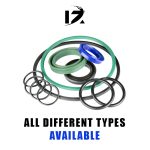
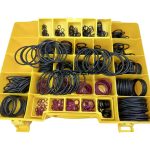
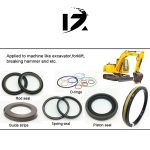
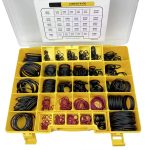


Ring Kit (Seal Kit)
Discription:
Excavators, like all heavy machinery, rely on a variety of engine and hydraulic components to ensure smooth, reliable performance. Among the critical parts are Ring Kits and Seal Kits, which play an essential role in maintaining engine integrity, preventing leaks, and reducing friction within the machinery. These kits are designed to prevent the loss of performance and minimize the risk of failure by ensuring proper sealing, reducing wear, and keeping contaminants out.
Importance of Ring Kits and Seal Kits in Excavators
Both Ring Kits and Seal Kits are integral to the efficient operation and longevity of an excavator. Their role in ensuring proper sealing, minimizing fluid loss, preventing contamination, and reducing friction cannot be overstated. Failure in either of these systems can lead to:
-
Increased Fuel Consumption: Poor compression from damaged rings or fluid leakage from seals can result in inefficient engine or hydraulic performance.
-
Engine Damage: Piston ring failure can lead to oil consumption, power loss, and even catastrophic engine damage.
-
Hydraulic System Failure: Faulty seals in the hydraulic system can lead to power loss, decreased lifting capacity, or even total system failure.
-
Contamination and Wear: Leaking seals can allow dirt and contaminants to enter critical components, leading to accelerated wear and failure.
اعلیٰ معیار کی ہیوی مشینری اور قابل بھروسہ اسپیئر پارٹس ہول سیل نرخوں پر اعلیٰ معیار اورگارنٹی کے ساتھ ابھی رابطہ کریں
1. Ring Kit
The Ring Kit typically refers to a piston ring kit, which is vital in ensuring the proper functioning of the engine’s internal combustion process. It includes a set of piston rings, which are critical for sealing the combustion chamber, maintaining compression, and preventing the mixing of oil and fuel. These rings help maintain engine efficiency, reduce emissions, and prevent damage to internal engine parts.
Components of a Ring Kit:
-
Compression Rings: These are the rings that sit on the upper part of the piston and ensure a tight seal between the piston and the cylinder wall. Their main job is to maintain proper compression within the combustion chamber, allowing the engine to generate power efficiently.
-
Oil Control Rings: These are designed to scrape excess oil from the cylinder wall back into the sump, preventing oil from entering the combustion chamber and reducing carbon buildup.
-
Expander: A spring-like component that sits beneath the oil control rings to maintain the ring’s tension against the cylinder wall.
-
O-rings: These are rubber rings that prevent oil from leaking around the piston.
Functions of a Ring Kit:
-
Sealing the Combustion Chamber: Prevents the leakage of gases from the combustion chamber, ensuring maximum efficiency of the engine.
-
Preventing Oil Consumption: Keeps oil from entering the combustion chamber, ensuring no excessive oil burning.
-
Reducing Friction: Ensures the piston moves smoothly within the cylinder, reducing friction between moving parts, and improving engine performance.
-
Increasing Engine Longevity: By maintaining proper compression and reducing contaminants in the engine, the piston rings help extend the life of the engine.
Specifications of a Ring Kit:
-
Material: Typically made from high-quality cast iron or steel for durability and heat resistance. Some high-performance models may have special coatings for enhanced wear resistance (such as chrome or molybdenum).
-
Thickness: Varies depending on engine model and manufacturer. Generally, compression rings are thinner than oil control rings.
-
Diameter: Typically matches the diameter of the piston. For example, a 6-cylinder diesel engine might have piston rings in the range of 85-120mm in diameter.
-
Tension: The tension of the rings is critical for maintaining a proper seal. The spring-like expansion force of the rings helps them maintain contact with the cylinder walls.
-
Replacement Interval: Generally, the rings need to be replaced every 3,000 to 10,000 operating hours, depending on the operating environment and engine load.
2. Seal Kit
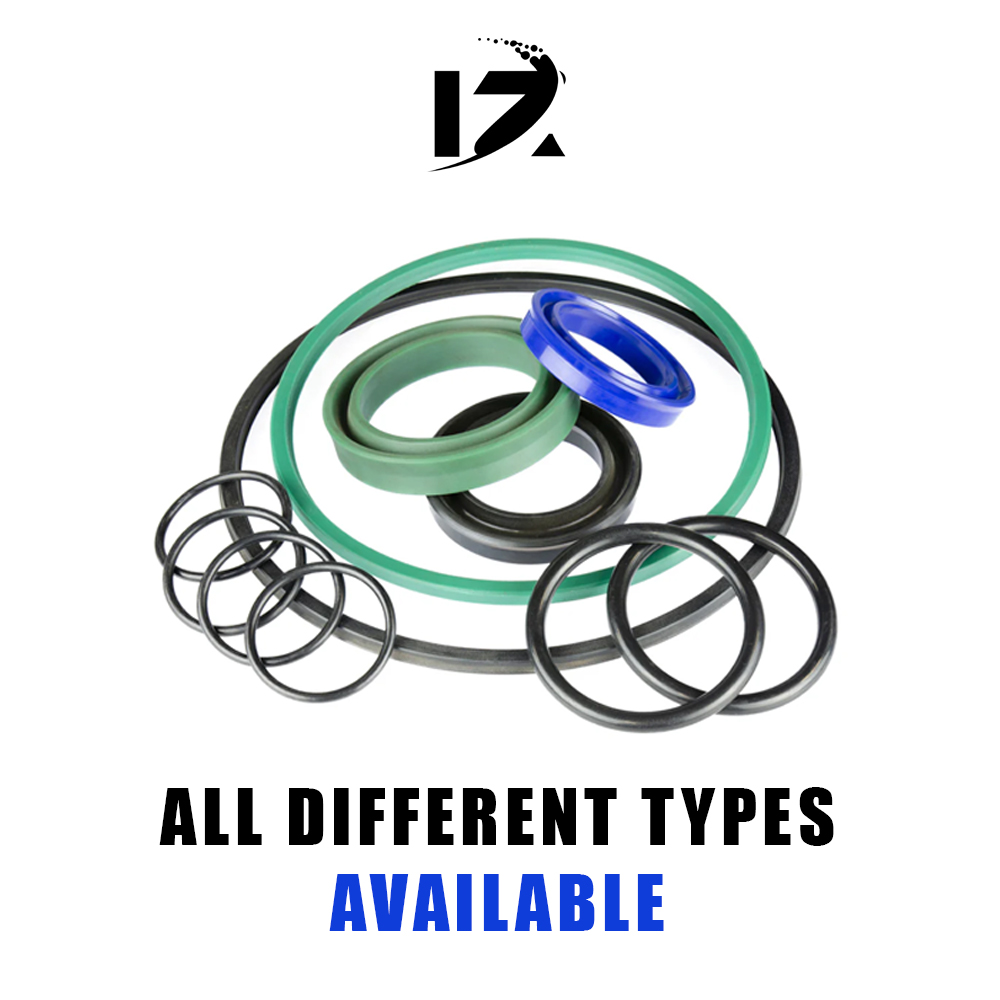
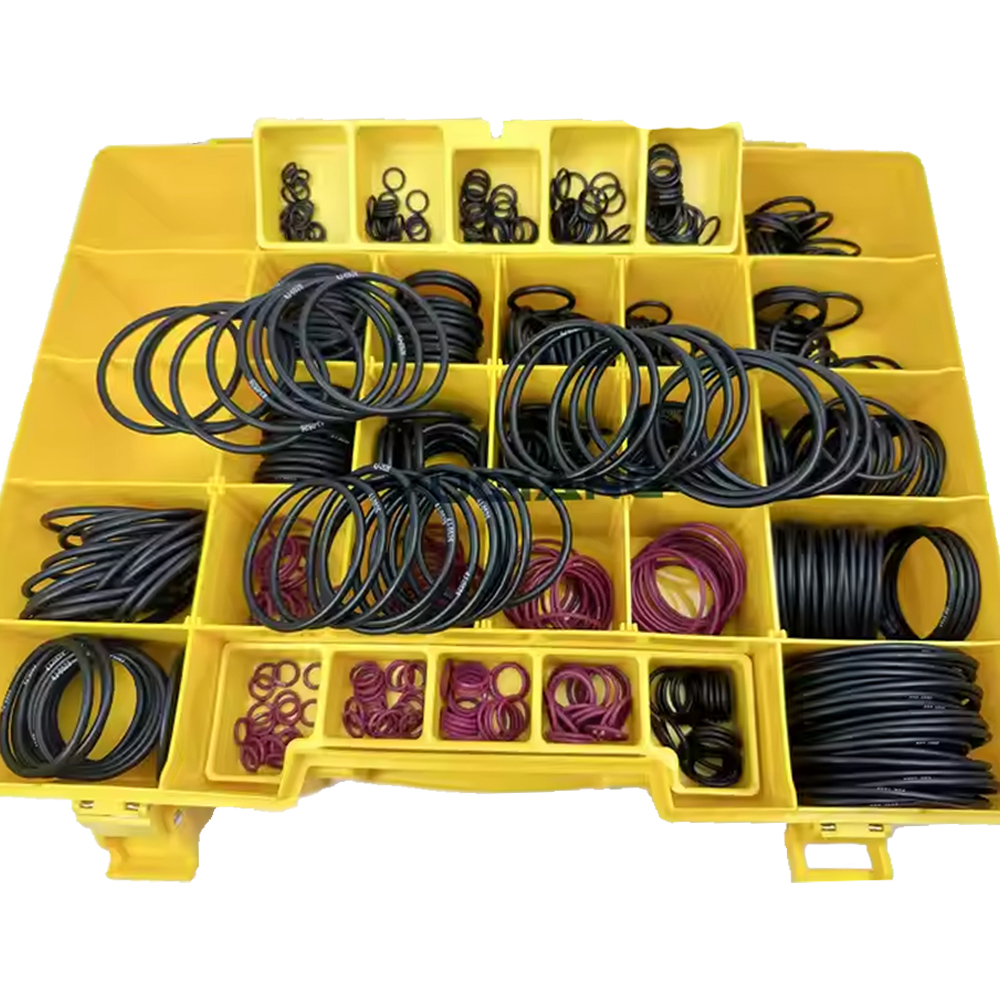
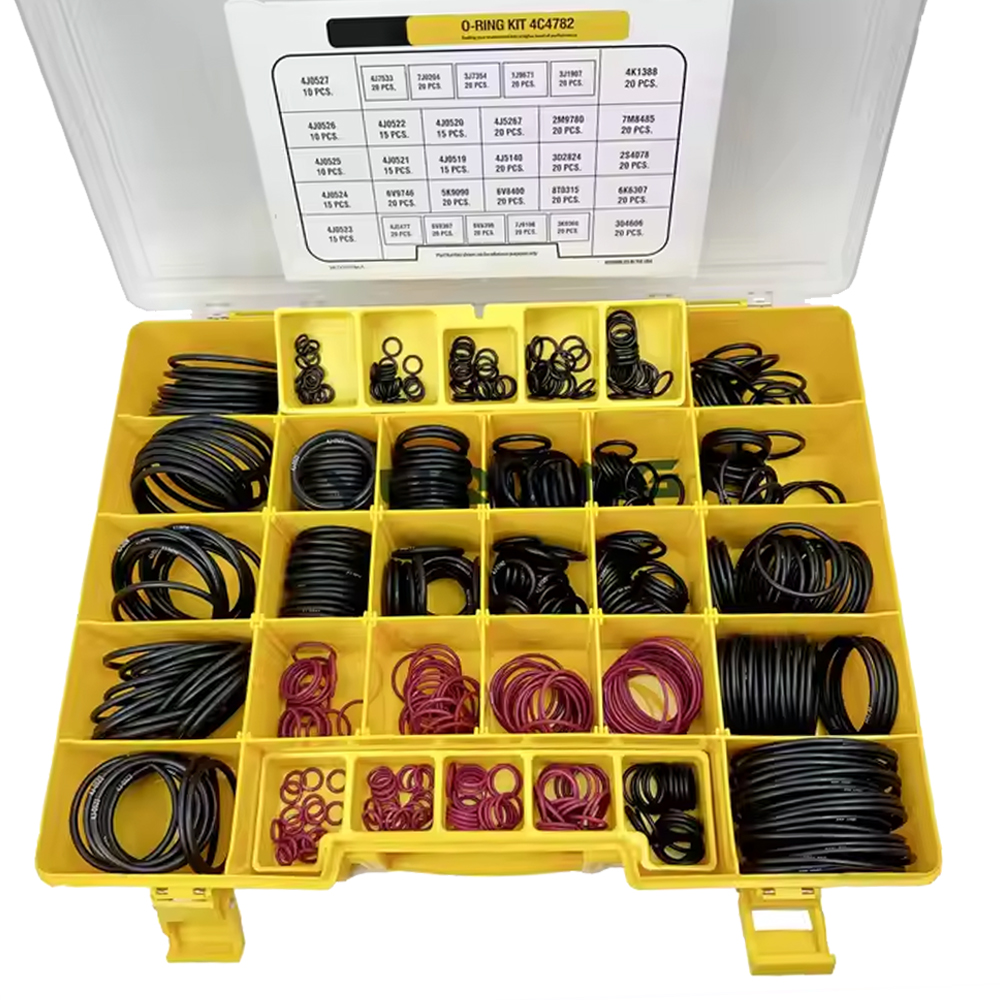
A Seal Kit refers to a collection of various seals used throughout the excavator, including in the engine, hydraulic system, and other parts of the machine. These seals are designed to prevent fluid leakage, maintain pressure within hydraulic systems, and keep contaminants out of critical engine and hydraulic components. Seal kits are especially important for ensuring that fluid levels remain consistent and that the excavator’s various components operate efficiently without failure.
Components of a Seal Kit:
-
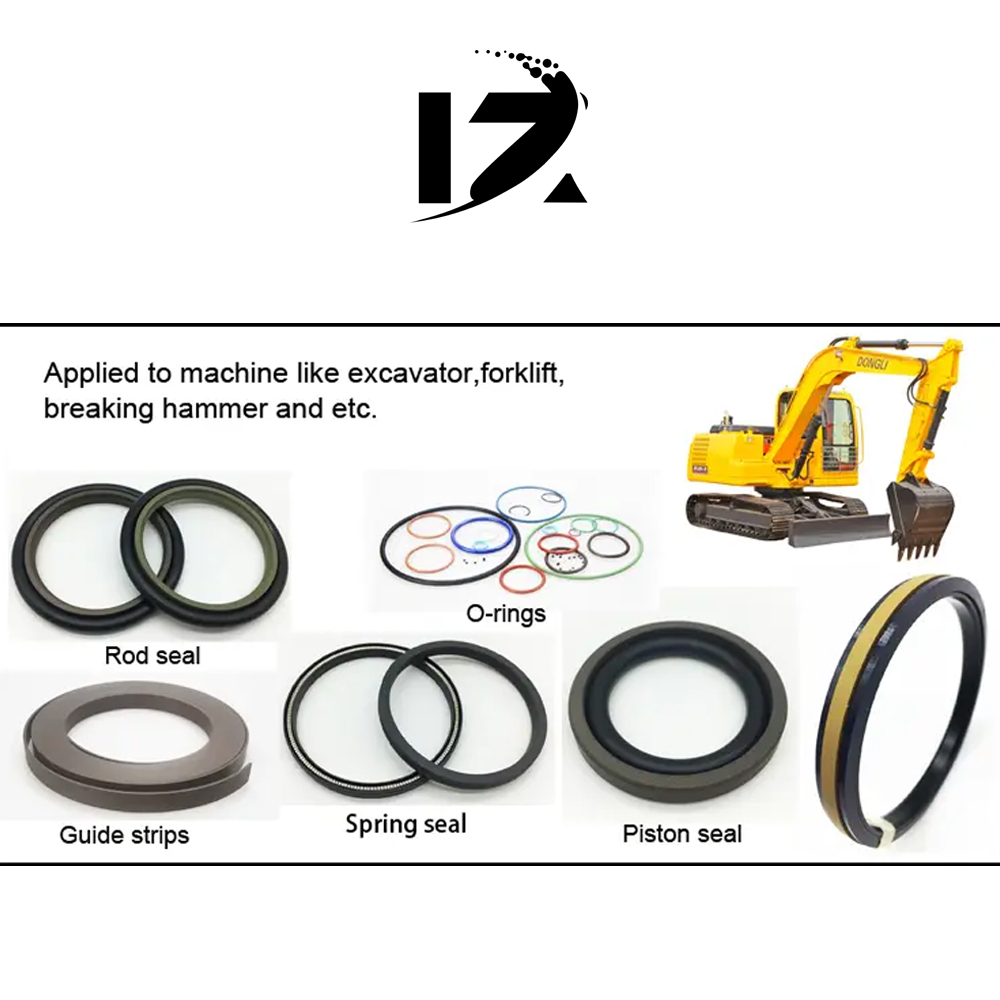
O-Rings: These circular rubber seals are used in various places, such as on pistons, valves, or flanges, to prevent fluid leaks and contamination.
-
Gaskets: Flat seals used between two mating surfaces to prevent fluid leaks, typically found in engine components such as the cylinder head, oil pan, or transmission housing.
-
Wiper Seals: These seals are designed to remove dirt and debris from the surface of a rod or piston to prevent contamination from entering the hydraulic system.
-
Backup Rings: These are used in conjunction with O-rings to prevent extrusion of the O-rings in high-pressure systems, ensuring a longer lifespan for the seal.
-
Rod Seals: Found in hydraulic cylinders, these seals ensure that oil or hydraulic fluid does not leak out while preventing contaminants from entering the cylinder.
-
Piston Seals: Similar to rod seals, piston seals are used in hydraulic cylinders to prevent fluid leakage around the piston.
Functions of a Seal Kit:
-
Preventing Fluid Leaks: Seals keep oil, coolant, and hydraulic fluids contained within their respective systems, preventing contamination and loss of performance.
-
Maintaining Pressure: In hydraulic systems, seals help maintain the necessary pressure to ensure smooth operation of components like hydraulic cylinders, pumps, and valves.
-
Protecting Internal Components: By preventing the ingress of dust, dirt, and other contaminants, seals protect delicate internal components (such as pistons, valves, and hydraulic motors) from damage.
-
Reducing Friction: Certain seals, like wiper seals and rod seals, also help reduce friction and wear in moving parts by ensuring smooth operation.
Specifications of a Seal Kit:
-
Material: Typically made from high-quality elastomers such as nitrile rubber (NBR), Viton, silicone, or polyurethane. Material choice depends on the application (e.g., Viton for high-temperature applications).
-
Dimensions: Each seal in the kit will vary in size, with each component specifically designed to match the dimensions of the excavator’s components. For example, O-rings range from a few millimeters in diameter for small systems to several inches for larger hydraulic systems.
-
Pressure Rating: The seals in a kit are rated for specific pressure levels, typically ranging from 1500 psi (pounds per square inch) to 5000 psi or more, depending on the application (engine vs. hydraulic systems).
-
Temperature Resistance: Seals are designed to withstand a range of temperatures, often from -40°C to 250°C (-40°F to 482°F), depending on the fluid types and the environment the excavator is working in.
-
Replacement Interval: Seal kits should be checked regularly for wear or cracks. The replacement interval depends on the operating environment, but generally, seals may last anywhere from 1,000 to 3,000 operating hours.







Reviews
Clear filtersThere are no reviews yet.