
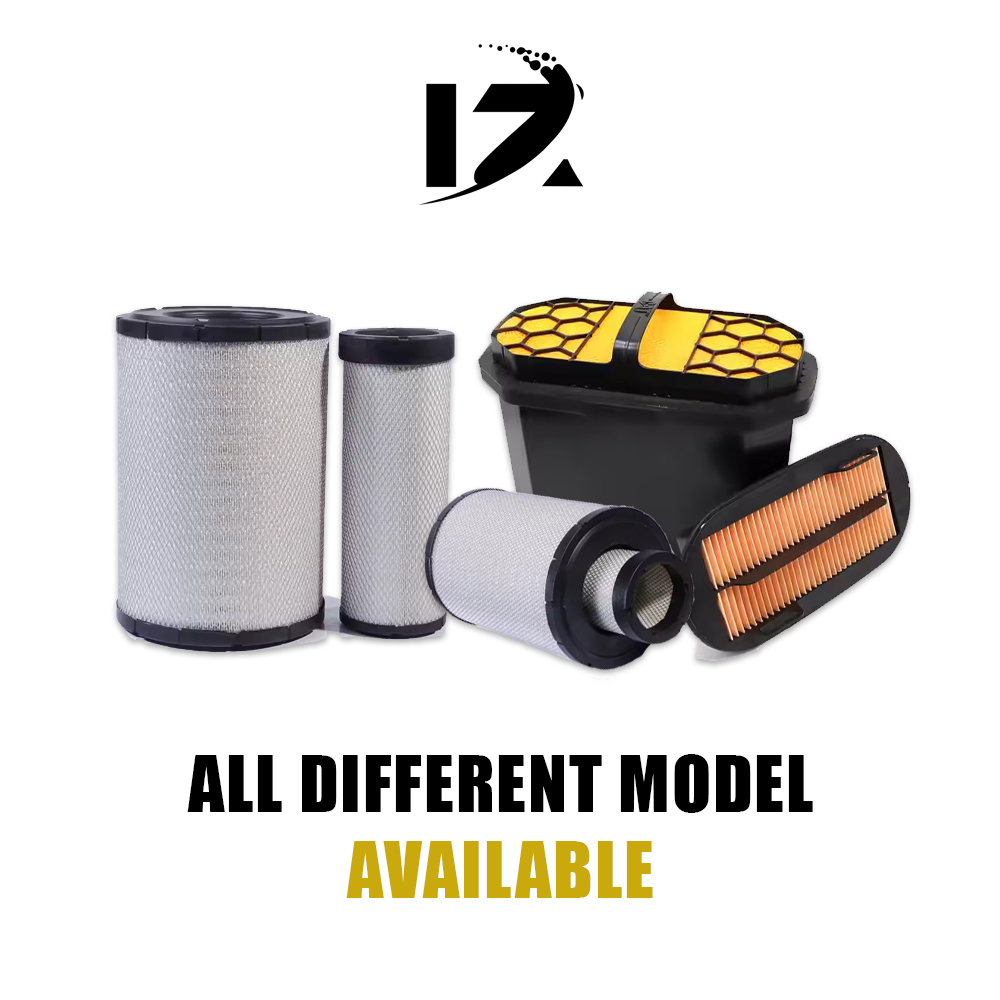

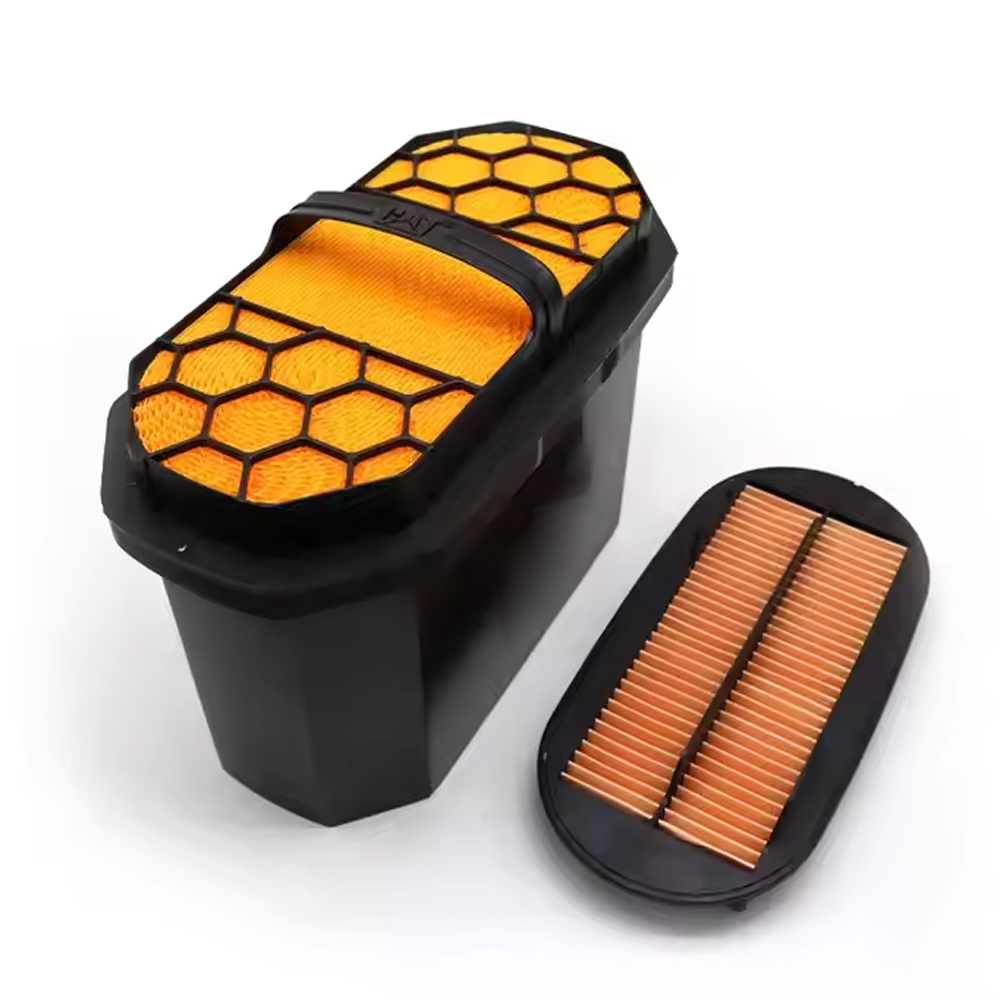
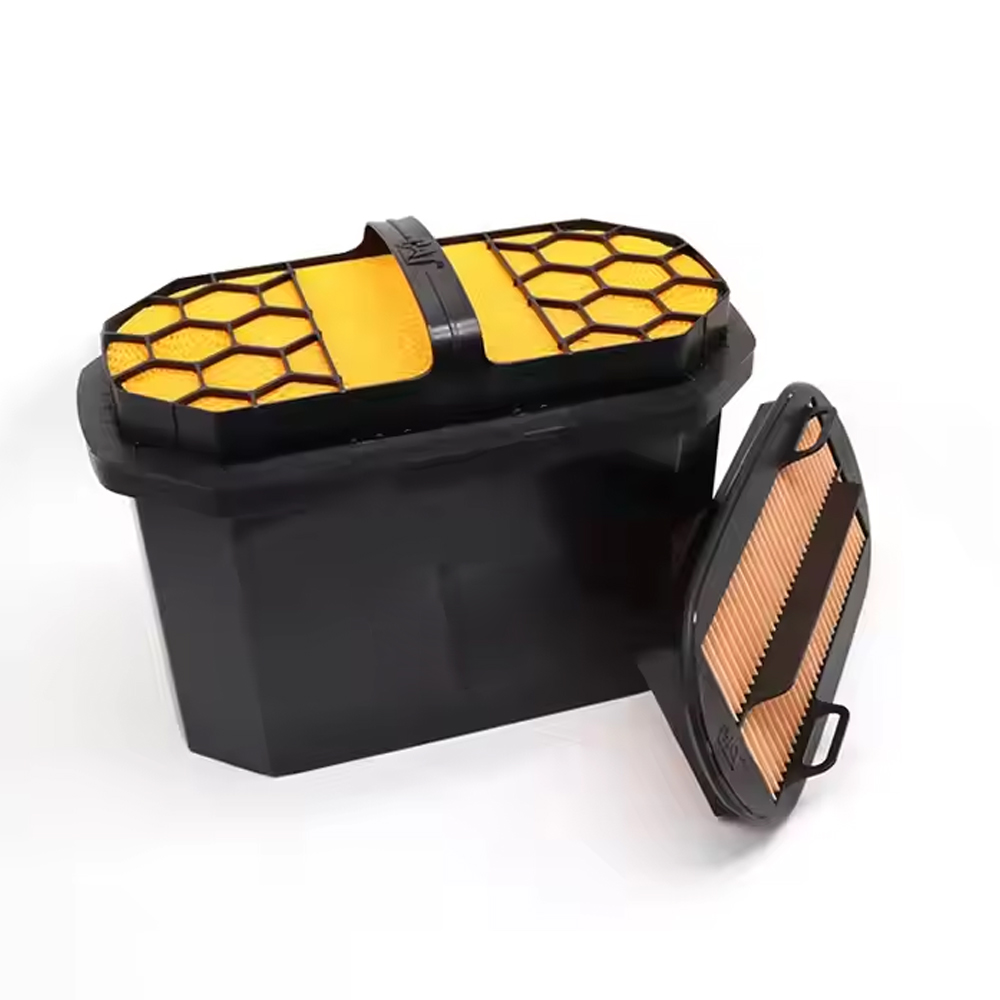
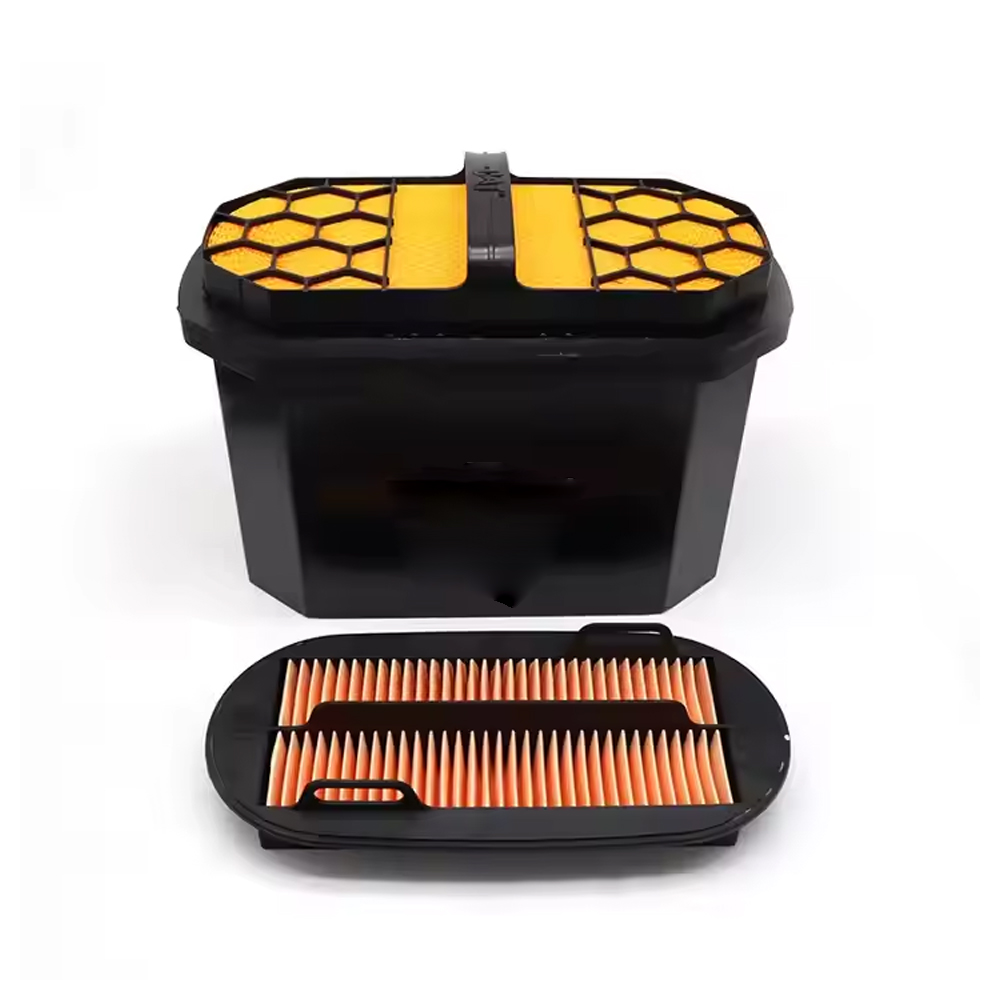

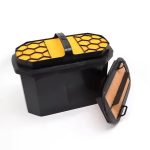
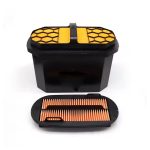
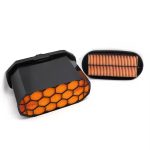
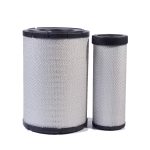


Air Filter (Outer and Inner )
Description:
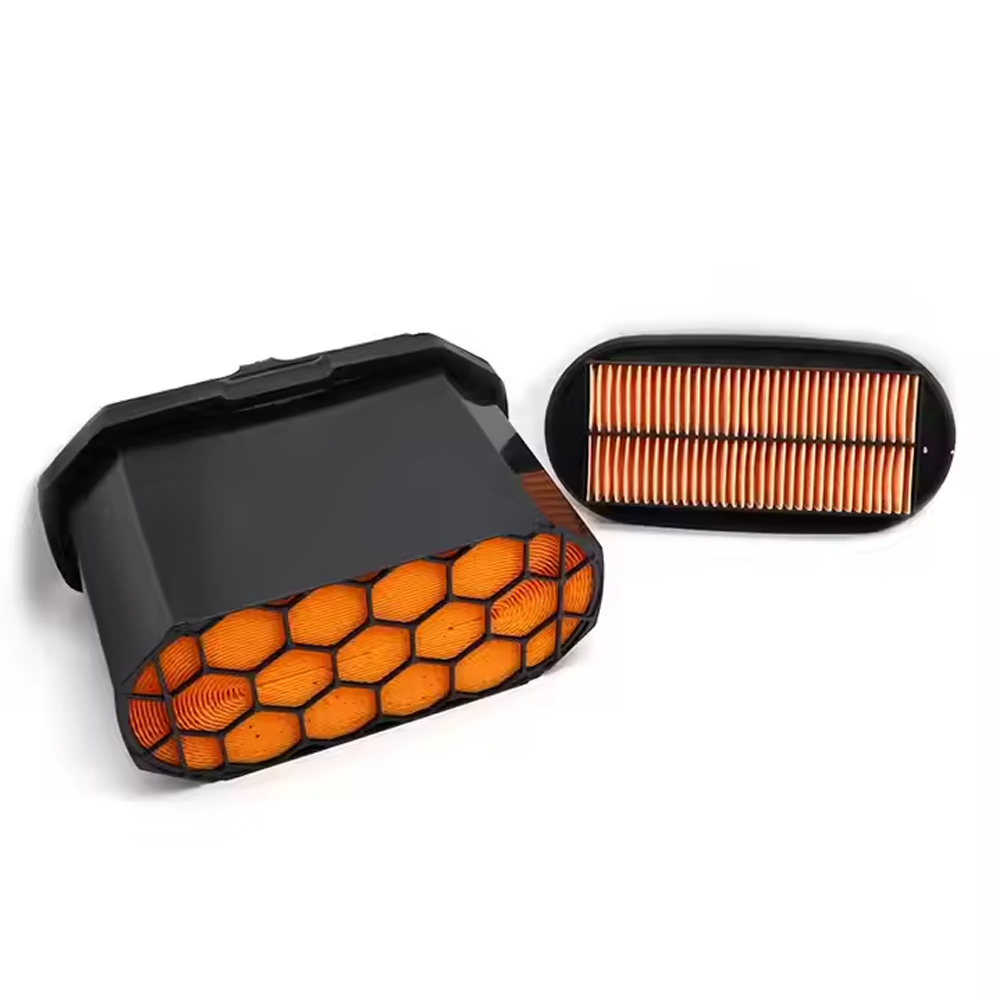
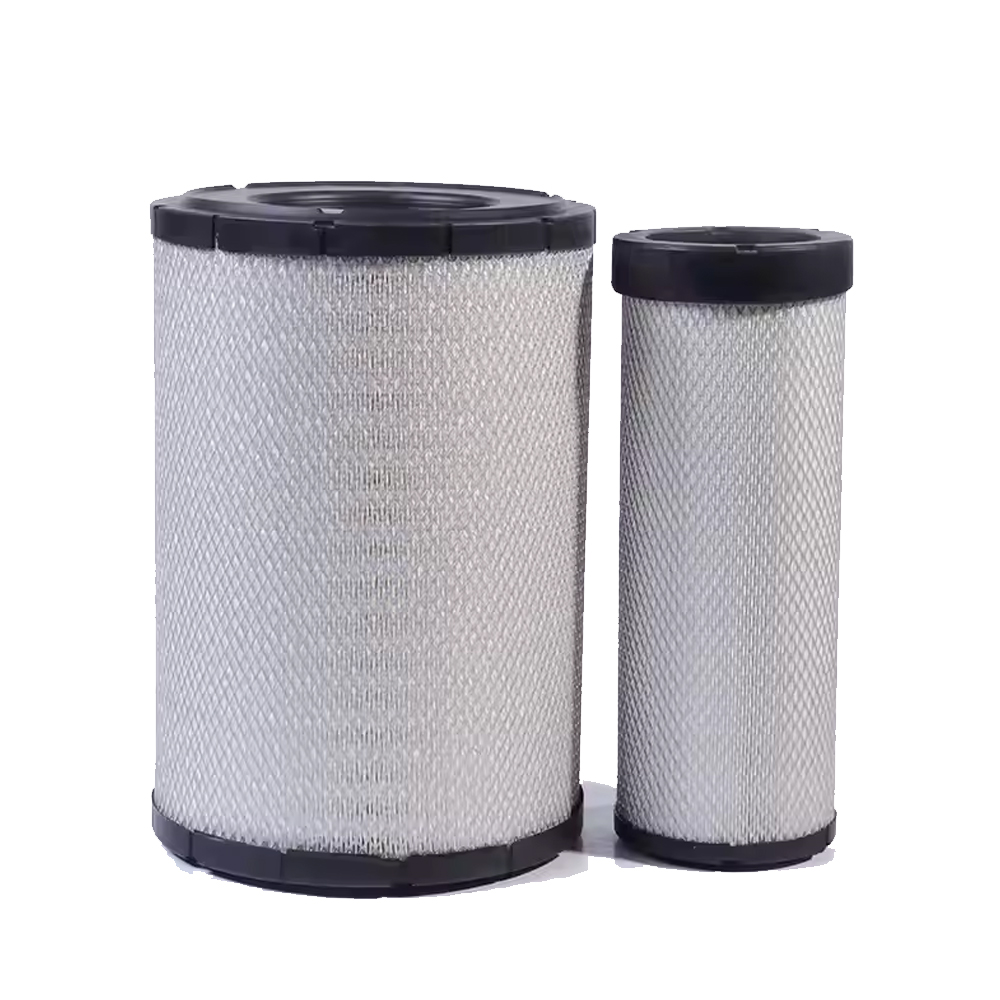
Excavators, like any other heavy machinery, rely heavily on clean air intake to ensure efficient engine performance and longevity. The air filtration system of an excavator is designed to protect the engine from dirt, dust, and other debris that could cause damage. This system is typically made up of two primary air filters: outer and inner air filters. These filters work together to clean the air entering the engine.
Differences between Inner and Outer Air Filters:
| Feature | Outer Air Filter | Inner Air Filter |
|---|---|---|
| Function | Filters larger particles. | Filters finer particles. |
| Location | Positioned outside the engine. | Positioned just before the engine. |
| Filtration Size | Filters particles down to 10-20 microns. | Filters particles down to 1-5 microns. |
| Material | Synthetic paper, foam, or cotton. | Pleated paper, synthetic media. |
| Maintenance | More frequent cleaning/replacement. | Less frequent, but critical. |
| Airflow Capacity | 250-2000 CFM depending on size. | 250-1500 CFM depending on model. |
اعلیٰ معیار کی ہیوی مشینری اور قابل بھروسہ اسپیئر پارٹس ہول سیل نرخوں پر اعلیٰ معیار اورگارنٹی کے ساتھ ابھی رابطہ کریں
1. Outer Air Filter
Function: The outer air filter is the first line of defense in the filtration system. It is designed to capture larger particles, such as dust, dirt, and other debris, preventing them from entering the inner filter and engine. The outer filter protects the more delicate inner filter, prolonging its life and ensuring the overall air filtration system performs optimally.
-
Location: It is usually positioned outside the engine compartment, often exposed to the external environment.
-
Material: Typically made of synthetic or pleated paper material. Some advanced models might use foam or cotton-based materials.
-
Shape: Most outer filters are cylindrical or cone-shaped for optimal surface area.
-
Maintenance: This filter is cleaned or replaced more frequently than the inner filter. Regular inspection ensures no blockage or excessive dust accumulation.
-
Common Technologies:
-
Pre-Cleaners: Many excavators are equipped with pre-cleaners in front of the outer air filter. These are devices that use centrifugal force or gravity to remove the largest particles of dust or debris before air reaches the outer filter.
-
Wet Filters: Some outer filters are made of oil-impregnated materials to help trap dust and other particles.
-
Specifications:
-
Filtration Efficiency: Typically designed to capture particles ranging from 20 microns to 10 microns.
-
Airflow: 250-2000 CFM (Cubic Feet per Minute), depending on the engine size.
-
Dimensions: Vary depending on the excavator model. For example, a 20-ton excavator might have an outer filter that’s approximately 300mm (diameter) by 500mm (length).
-
Materials: Synthetic paper, foam, cotton-based, or fiberglass.
-
Replacement Interval: Roughly every 250-500 hours, but this can vary depending on operating conditions.
2. Inner Air Filter
Function: The inner air filter is the second line of defense and is responsible for trapping finer particles that have passed through the outer filter. It is designed to capture smaller contaminants, such as fine dust and soot, ensuring that only clean air reaches the engine’s combustion chamber. It plays a crucial role in maintaining engine performance and preventing damage to sensitive engine components.
-
Location: This filter is typically located inside a sealed compartment within the air intake system, right before the engine intake manifold.
-
Material: The inner air filter is often made from pleated paper, synthetic media, or even fiberglass, designed to filter finer particles than the outer filter.
-
Shape: Like the outer filter, it is often cylindrical or oval but is more compact.
-
Maintenance: The inner filter should be checked and replaced less frequently than the outer filter, but it is critical to ensure that it is in good condition. The engine can suffer from poor air quality if the inner filter is damaged or clogged.
-
Technology: The inner filter typically has a higher filtration efficiency compared to the outer filter. Some systems include dual-stage filtration or safety filters for extra protection.
Specifications:
-
Filtration Efficiency: Can filter down to 1 to 5 microns in size. Some high-performance filters can go down to 0.5 microns.
-
Airflow: Typically around 250-1500 CFM depending on the excavator model.
-
Dimensions: Usually smaller than the outer filter, typically ranging from 250mm to 400mm in diameter and 400mm to 600mm in length.
-
Materials: Pleated paper, synthetic media, fiberglass.
-
Replacement Interval: Roughly every 1000-1500 hours or after a significant number of operating hours depending on the working environment.
Importance of Proper Maintenance
The air filtration system, particularly the inner and outer filters, is vital to the health of an excavator engine. If these filters become clogged or damaged:
-
The engine may be starved of clean air.
-
Engine components like pistons, cylinders, and turbochargers can wear out prematurely.
-
Fuel consumption can increase due to inefficient combustion.
-
The risk of engine failure increases in harsh operating conditions.
Regular inspection and replacement of the air filters should be part of the scheduled maintenance plan for the excavator. Factors such as dust levels in the environment, operating hours, and operating conditions (e.g., heavy dirt, mud) will influence how often the filters need to be replaced.






Reviews
Clear filtersThere are no reviews yet.