




Excavator (Attachments)
Description:
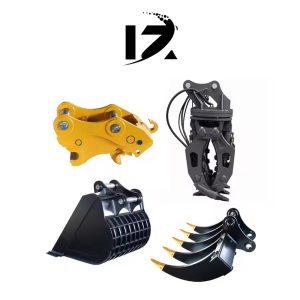
Buckets are the most common excavator attachment, typically used for digging, scooping, and moving earth, gravel, sand, and other materials. There are various bucket types suited for different tasks, including general-purpose buckets, trenching buckets, and heavy-duty buckets.
Advantages of Excavator Attachments
-
Increased Efficiency: Excavator attachments enhance the productivity of the machine by allowing it to handle a range of tasks without requiring a separate machine.
-
Cost-effective: Instead of investing in different machines for specific tasks, excavator attachments make it possible to adapt the same excavator to various functions.
-
Versatility: Excavators equipped with a range of attachments can perform tasks such as digging, demolition, lifting, and grading, making them indispensable in construction, mining, and other industries.
-
Easy Interchangeability: Most excavator attachments can be swapped quickly and easily, allowing for minimal downtime during work.
اعلیٰ معیار کی ہیوی مشینری اور قابل بھروسہ اسپیئر پارٹس ہول سیل نرخوں پر اعلیٰ معیار اورگارنٹی کے ساتھ ابھی رابطہ کریں
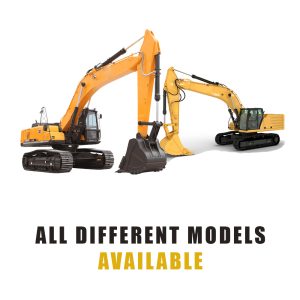
Excavator attachments are specialized tools or implements that can be connected to an excavator to expand its versatility and functionality. These attachments allow the excavator to perform a wide variety of tasks beyond traditional digging, making it an essential tool for many industries including construction, landscaping, demolition, and agriculture.
Excavator attachments come in different sizes and types, specifically designed to meet the needs of various operations. These attachments are designed to be easily interchangeable and are powered through the hydraulic system of the excavator, ensuring a seamless integration with the machine’s primary functions.
Here are some of the most common excavator attachments:
1. Bucket Attachments
Description:
Buckets are the most common excavator attachment, typically used for digging, scooping, and moving earth, gravel, sand, and other materials. There are various bucket types suited for different tasks, including general-purpose buckets, trenching buckets, and heavy-duty buckets.
-
General-purpose bucket: Ideal for a wide range of digging tasks.
-
Trenching bucket: Narrower design, used for digging trenches.
-
Heavy-duty bucket: Built for tougher, more abrasive materials.
2. Auger Attachment
Description:
The auger attachment is used for drilling holes in the ground, often for tasks like planting trees, installing fences, or foundation work. It features a rotating drill bit and can be used on various soil types depending on the size and type of auger.
-
Soil auger: For digging soft ground.
-
Rock auger: For harder ground or rocky areas.
3. Grapple Bucket
Description:
The grapple bucket combines the versatility of a standard bucket with the ability to pick up and move materials using hydraulic jaws. This attachment is particularly useful for handling large, awkwardly shaped objects, such as logs, rocks, and construction debris.
-
Rotating grapple: Provides 360-degree rotation for precise material handling.
-
Clamshell grapple: Ideal for grabbing and moving materials like scrap or garbage.
4. Hydraulic Breaker (Hammer)
Description:
The hydraulic breaker, also known as a hammer, is used to break through hard materials like concrete, asphalt, and rock. This attachment uses high-impact force to crack and break up tough surfaces, making it essential for demolition and construction projects.
-
Low vibration hammer: Designed for reduced impact on the operator.
-
High-frequency breaker: Provides faster working cycles, ideal for lighter work.
5. Ripper Attachment
Description:
The ripper is used for breaking up tough soil, rock, or frozen ground. It is a robust attachment with a pointed, heavy-duty tip designed to penetrate hard surfaces. It is often used in mining, construction, and other excavation applications.
-
Single shank ripper: Best for deep digging in tough surfaces.
-
Multi-shank ripper: Used for broader, less concentrated ripping.
6. Thumb Attachment
Description:
A thumb attachment is an extension that allows the excavator to grasp and hold objects. Often paired with a bucket, it provides greater precision when picking up, handling, and stacking materials like logs, pipes, or debris.
-
Mechanical thumb: Fixed and operates with the bucket.
-
Hydraulic thumb: Provides greater control and flexibility, operated through the excavator’s hydraulic system.
7. Tilt Bucket
Description:
The tilt bucket allows for a greater range of motion in the bucket, which can tilt sideways to excavate or grade surfaces more efficiently. This attachment is ideal for grading, slope work, and finishing tasks where precision is required.
-
Manual tilt bucket: Operated by the machine’s movement.
-
Hydraulic tilt bucket: Allows for easier, more precise tilting using the hydraulic system.
8. Cold Planer (Milling Machine)
Description:
Cold planers, also known as milling machines, are used for road surface milling. These attachments are great for removing damaged asphalt or concrete from roads, driveways, and runways, preparing them for new surfacing. The cutting head grinds the material into small, manageable pieces.
-
Standard cold planer: Used for general milling and surface preparation.
-
High-flow cold planer: For more intensive milling tasks.
9. Shear Attachment
Description:
The shear attachment is a powerful cutting tool that can be used to cut through metal, steel, and other tough materials. It is commonly used in demolition, scrap recycling, and other applications that require cutting and tearing heavy materials.
-
Steel shear: Designed for cutting metal beams, pipes, and other structures.
-
Concrete shear: Used for cutting through concrete, steel reinforcement bars, and other materials.
10. Clamshell Bucket
Description:
A clamshell bucket consists of two hinged halves that open and close like a clam. It is commonly used in dredging and material handling tasks, particularly for digging or lifting materials in deep or hard-to-reach locations.
-
Single rope clamshell: Operated by a single line for lighter duties.
-
Double rope clamshell: Designed for heavier, more complex tasks.
11. Concrete Pulverizer
Description:
This attachment is used to break down concrete and separate metal reinforcement from the concrete. Concrete pulverizers are essential in demolition work, particularly when working with structures that need to be dismantled carefully.
-
Single cylinder pulverizer: Used for general concrete breaking.
-
Dual cylinder pulverizer: Offers increased power for tougher materials.




Reviews
Clear filtersThere are no reviews yet.