

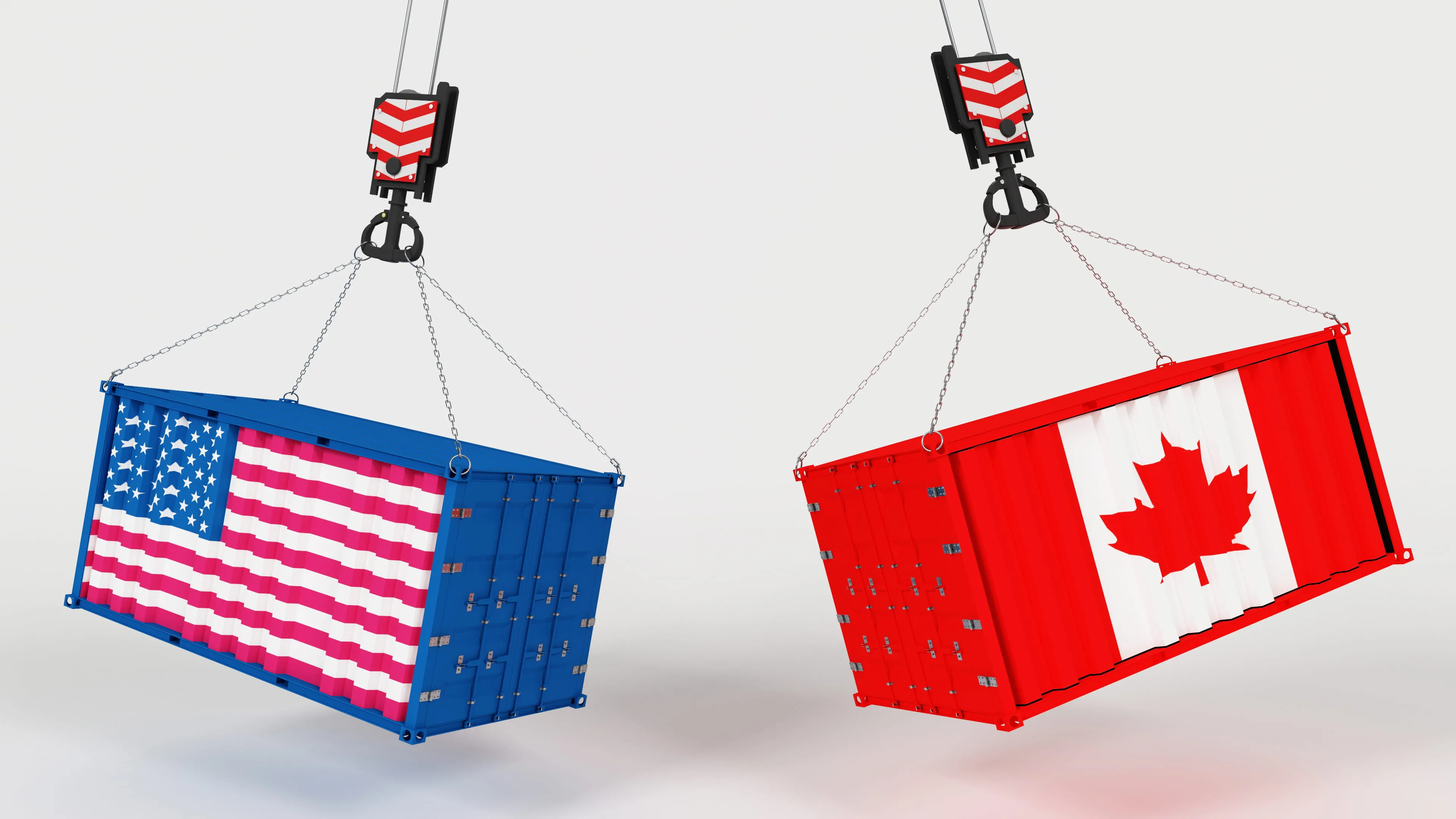
Import vs Export Understanding the Differences
Importing means buying goods or services from another country to use or sell domestically, while exporting means selling domestically produced goods or services to buyers in other countries. Imports fill gaps in a country’s local supply, while exports generate revenue from foreign markets. Together, they form the backbone of international trade and directly affect a nation’s economy, currency value, and global relationships.
International trade shapes almost everything we touch, from the phone in your pocket to the coffee in your mug. Behind every cross-border transaction are two core concepts: importing and exporting. These terms get thrown around in news headlines, economics classes, and business meetings, but their practical meaning often gets lost in translation.
Understanding the difference between import and export isn’t just useful for economists or policymakers. Business owners expanding internationally, students studying global trade, and curious consumers who want to understand why certain products cost what they do all benefit from grasping these fundamentals.
This guide breaks down what import and export actually mean, how they work, why they matter to national economies, and how to tell them apart with confidence. By the end, you’ll understand not just the definitions, but the real-world impact these trade activities have on businesses and everyday life.
What Does Import Mean?
Importing is the process of bringing goods or services into one country from another. When a business or government decides to import, it’s essentially shopping abroad to acquire products that aren’t available, aren’t affordable, or aren’t produced at scale domestically.
Think about it this way: if a country doesn’t have the climate to grow coffee beans, it imports them from countries that do. If a nation lacks the raw materials or manufacturing capacity to produce semiconductors, it imports those too. Imports fill gaps, whether those gaps come from geography, resources, technology, or cost efficiency.
Why Do Countries Import Goods?
Countries import for several practical reasons:
- Meeting domestic demand: Some products aren’t available locally due to climate, geography, or natural resource limitations.
- Cost efficiency: Sometimes it’s cheaper to import a product than to manufacture it domestically, especially when another country has lower labor or production costs.
- Access to specialized expertise: Certain countries have developed advanced capabilities in specific industries, like semiconductor manufacturing or pharmaceutical production, making imports the practical choice.
- Variety and consumer choice: Importing allows consumers to access a broader range of products, from exotic fruits to international electronics brands.
What Does Export Mean?
Exporting is the reverse process. It occurs when a country sells domestically produced goods or services to buyers in other countries. Instead of shopping abroad, exporting is about selling what you make to customers elsewhere.
When a country exports, it’s tapping into international markets to generate revenue that wouldn’t be possible by selling only within its own borders. This revenue strengthens the domestic economy, supports local jobs, and can even stabilize a nation’s currency.
Why Do Countries Export Goods?
Exporting offers several strategic and economic advantages:
- Economic growth: Selling to international markets expands a country’s customer base far beyond its domestic population, driving revenue and job creation.
- Specialization advantages: Countries with strong capabilities in specific industries, such as technology, agriculture, or manufacturing, can leverage those strengths by selling to markets that lack the same resources.
- Currency and trade balance benefits: Exporting generates foreign currency inflows, which can help stabilize a country’s exchange rate and improve its overall trade balance.
- Global market influence: Countries that export successfully often gain diplomatic and economic leverage, strengthening international relationships and trade partnerships.
Import vs Export: The Core Difference
At its simplest, the difference comes down to direction. Importing means bringing goods in from abroad, while exporting means sending goods out to foreign buyers.
Choose to think of imports as “buying from the world” and exports as “selling to the world” if that helps clarify the distinction. A country that imports more than it exports typically runs a trade deficit, while a country that exports more than it imports runs a trade surplus.
Here’s a side-by-side breakdown:
Aspect
Import
Export
Direction Goods/services flow into the country Goods/services flow out of the country.
Purpose Meet domestic demand or access unavailable resources Generate revenue from foreign markets.
Economic impact Can increase trade deficit if unbalanced Can increase trade surplus and boost GDP
Who benefits Domestic consumers and businesses needing foreign goods Domestic producers and the broader economy?
Currency effect Increases demand for foreign currency Increases demand for domestic currency.
How Imports and Exports Affect the Economy
Imports and exports don’t operate in isolation. They work together to shape a country’s overall economic health, influencing everything from job markets to currency valuation.
The Role of Trade Balance
The relationship between imports and exports creates what economists call the “trade balance.” When a country exports more than it imports, it runs a trade surplus, meaning more money flows into the country than out. When imports exceed exports, the country runs a trade deficit.
Neither a surplus nor a deficit is inherently good or bad. A trade deficit might mean a country is investing heavily in resources it needs for long-term growth. In contrast, a trade surplus might indicate strong manufacturing capabilities, but it could also suggest underinvestment in other sectors. Choose to evaluate trade balance in context, not as a standalone indicator of economic success.
Currency Value Impact
Imports and exports directly influence currency exchange rates. When a country exports heavily, foreign buyers need to purchase that country’s currency to pay for goods, increasing demand and often strengthening the currency’s value. Conversely, heavy importing increases demand for foreign currencies, which can weaken the domestic currency over time.
Domestic Industry and Employment
Exporting supports domestic industries by opening up larger markets for local businesses. This translates to job creation and economic activity that benefits the home country directly. Importing, while beneficial for consumer choice and cost savings, can sometimes compete with domestic industries, particularly when imported goods are cheaper than locally produced alternatives.
Real-World Examples of Import and Export
Understanding the theory is one thing, but seeing how it plays out practically makes the concept click.
Example of importing: A country without significant oil reserves imports crude oil from oil-producing nations to meet its energy needs. Without this import relationship, the country would struggle to power industries, transportation, and homes.
Example of exporting: A country with advanced agricultural technology and favorable farmland exports grain and produce to nations with less arable land or shorter growing seasons. This allows the exporting country to monetize its agricultural strengths while helping the importing country meet food security needs.
These examples highlight a key truth: imports and exports often exist because of natural or developed advantages. Some countries have resources or capabilities others lack, and trade allows everyone to benefit from those differences.
Why Understanding Import vs Export Matters for Businesses
For businesses considering international expansion, understanding the difference between importing and exporting shapes strategic decisions.
Choose to import if your business needs raw materials, components, or finished products that aren’t available or cost-effective to source domestically. This is common in manufacturing, where companies import parts from multiple countries to assemble final products.
Choose to export if your business has a product or service with demand in foreign markets, especially if your domestic market is saturated or limited in size. Exporting can diversify revenue streams and reduce dependence on a single economy.
Many successful businesses do both. A company might import raw materials to manufacture a product, then export the finished product to international buyers. This dual approach, often called “re-exporting” or “value-added trade,” is common in industries like automotive manufacturing and electronics.
Moving Forward with Import and Export Knowledge
Understanding import vs. export isn’t just academic. These two concepts drive global commerce, influence economic policy, and shape the products and services available in markets worldwide.
Whether you’re a business owner weighing the benefits of sourcing materials abroad, a student studying international economics, or simply someone curious about why your country trades the way it does, grasping these fundamentals gives you a clearer view of how the global economy functions.
Next time you hear about trade deficits, tariffs, or international agreements in the news, you’ll have a solid foundation to understand what’s really being discussed. Consider exploring how your own country’s import and export activities affect your daily life, from the products on grocery store shelves to the price of gas at the pump.
Frequently Asked Questions About Import and Export
What is the main difference between import and export?
Import refers to buying goods or services from another country, while export refers to selling domestically produced goods or services to buyers in other countries. The direction of the trade transaction is the key distinguishing factor.
Why do countries both import and export goods?
Countries import and export simultaneously because different nations have different resources, capabilities, and production efficiencies. Importing fills domestic gaps, while exporting monetizes domestic strengths, allowing countries to benefit from both sides of international trade.
How do imports and exports affect a country’s economy?
Imports and exports influence trade balance, currency value, and domestic employment. A trade surplus (more exports than imports) can strengthen a country’s currency and boost GDP. In contrast, a trade deficit (more imports than exports) isn’t necessarily harmful but reflects a different economic strategy.
Can a business both import and export at the same time?
Yes. Many businesses import raw materials or components to manufacture products, then export the finished goods to international markets. This dual approach is common in industries like electronics, automotive manufacturing, and consumer goods.
What is a trade deficit versus a trade surplus?
A trade deficit occurs when a country imports more than it exports, meaning more money flows out of the country than in. A trade surplus occurs when a country exports more than it imports, meaning more money flows in. Neither is automatically good or bad, as the context and economic strategy behind the numbers matter most.